
DIY Repairs: Saving Money by Fixing Your Own Hunting Gear
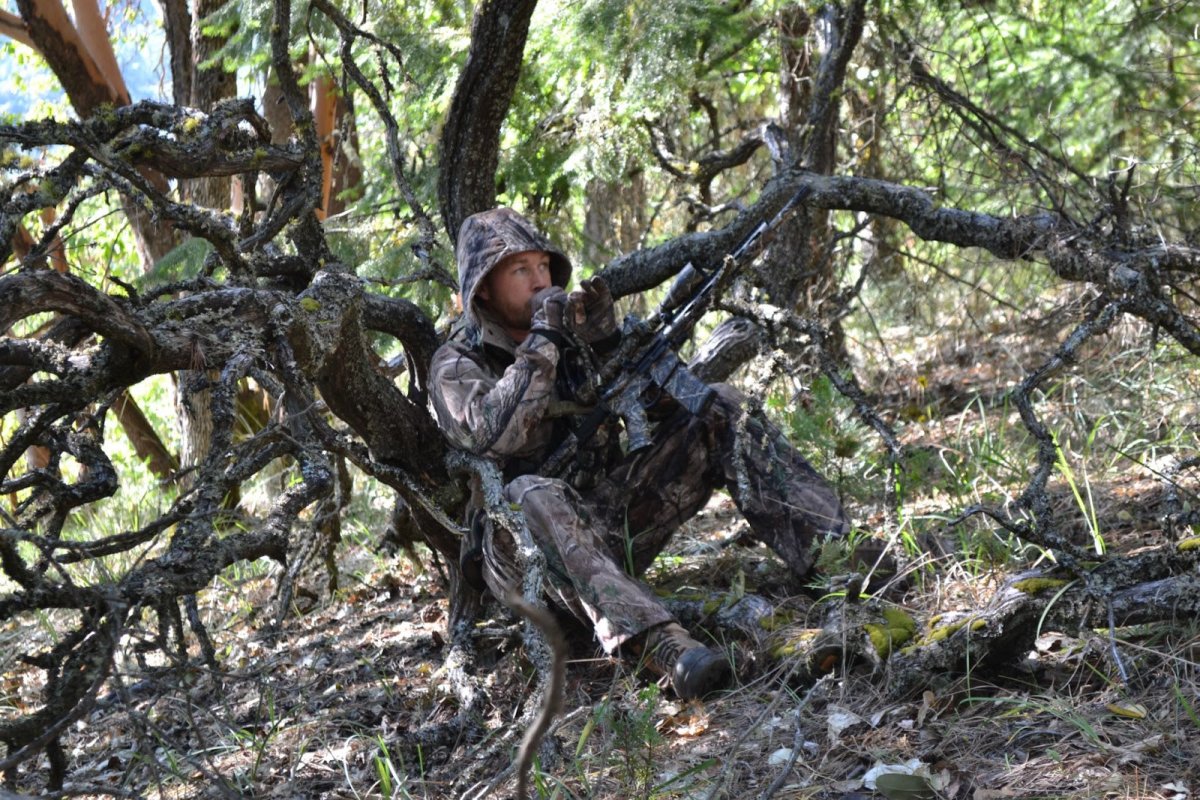
Introduction to DIY Hunting Gear Repairs
Hunting gear is an essential investment for any hunter, but with frequent use and exposure to the elements, it’s bound to experience wear and tear. DIY repairs can be an effective way to save money and extend the life of your equipment. By learning a few basic repair techniques, you can fix your decoys, hunting blinds, clothing, and footwear—all while keeping your gear in top condition for the next season. This guide will help you understand how to tackle common repairs on your hunting gear and save money in the long run.
The Benefits of DIY Gear Repair
There are many benefits to fixing your own hunting gear. First and foremost, repairing your equipment on your own can save you money. Professional repairs can be costly, especially for items like hunting blinds and decoys that experience significant wear. By learning the basics of DIY repairs, you can keep your gear functioning without the added expense of professional services. Furthermore, DIY repairs offer the flexibility to quickly fix problems on your own schedule, ensuring you’re ready for your next hunt without any delay.
Common Hunting Gear That Needs Repair
Hunting gear is built to withstand tough conditions, but over time, even the best gear can need repairs. Below are some of the most common pieces of hunting gear that may require fixing.
Decoys
Decoys are subject to a lot of wear, especially when exposed to the elements or rough handling. Cracked or broken decoys can severely impact your hunting success, but fortunately, most decoy repairs are simple and can be done with basic tools and materials.
Hunting Blinds
Hunting blinds take a beating throughout the season, from wear and tear in the field to getting caught in harsh weather conditions. Small holes, tears, or loose fabric can easily be fixed with the right materials, extending the life of your blinds and ensuring they continue to offer the concealment you need for a successful hunt.
Apparel and Footwear
Clothing and footwear are essential for staying comfortable during long hunting trips. Over time, boots may get worn down, and jackets or pants may suffer from rips or tears. Fortunately, DIY repairs for clothing and footwear are simple to perform and can keep you warm and dry throughout your hunt.
Tools and Materials You’ll Need for DIY Repairs
Basic Tools for Quick Fixes
Before starting any repair, make sure you have the right tools on hand. Some of the essential tools for DIY hunting gear repairs include:
- Sewing kit (with heavy-duty needles and thread)
- Superglue or epoxy resin (for quick fixes on hard surfaces like decoys)
- Fabric repair tape (ideal for repairing hunting blinds and apparel)
- Scissors and utility knives (for cutting fabric and tape)
- Gorilla tape or other heavy-duty tape (perfect for temporary fixes in the field)
- Pliers (for tightening bolts or fittings on decoys and blinds)
Materials for Decoys, Blinds, and Gear
Different repairs require different materials. Some materials you may need include:
- PVC pipe and plastic welding kits (for decoys)
- Waterproof fabric repair kits (for hunting blinds)
- Nylon patches or fabric glue (for repairing rips or holes in clothing)
- Rubber soles (for footwear repairs)
- Sealant and waterproofing sprays (to reinforce gear exposed to the elements)
Step-by-Step Guide to DIY Gear Repairs
Repairing Cracked Decoys
To repair cracked or damaged decoys, follow these simple steps:
- Clean the area: Ensure the surface around the crack is clean and dry.
- Apply epoxy resin: Use an epoxy resin or superglue to seal the crack. Ensure the adhesive is spread evenly along the crack.
- Reinforce with fabric or tape: For larger cracks, apply fabric patches or heavy-duty tape for additional reinforcement.
- Let it cure: Allow the adhesive to cure fully before using the decoy.
Fixing Hunting Blinds
To repair holes or tears in your hunting blinds:
- Clean the fabric: Clean the area around the damage to ensure proper adhesion.
- Apply fabric repair tape: Use a fabric repair tape or a patch to cover small tears. For larger rips, use a durable fabric patch.
- Seal the edges: Use a waterproof fabric sealant around the patch edges to prevent future leaks.
- Test the repair: Set up your blind and check for leaks or any issues with the patch.
Sewing and Repairing Hunting Apparel
To repair rips or tears in your clothing:
- Sew the tear: Use a heavy-duty sewing kit to stitch up small rips or tears in clothing.
- Use fabric glue or patches: For larger rips, apply a nylon patch or fabric glue to seal the tear.
- Reinforce seams: If the seams of your apparel have come apart, use a sewing machine or hand-sewing techniques to reinforce them.
Repairing Footwear
To fix worn or damaged footwear:
- Replace worn soles: If your hunting boots have worn soles, use a rubber sole repair kit or purchase replacement soles.
- Seal waterproofing: If your boots have lost their waterproofing, apply a waterproof sealant to restore their water resistance.
- Patch holes: For small holes or tears, use heavy-duty fabric glue or a patch kit designed for footwear.
When to Seek Professional Repair
While DIY repairs can save you money, there are times when a professional repair is necessary. If a repair requires specialized equipment, such as plastic welding for decoys or complex stitching for hunting apparel, it may be worth seeking professional help. Additionally, if the damage is too extensive or if you’re unsure about the quality of your repair, it’s always better to let a professional handle it.
Limitations of DIY Repairs
DIY repairs can be effective for minor damage, but some gear may require more specialized repairs to maintain its effectiveness. If you find that the damage is too great or if you need to preserve the integrity of the gear for future use, don’t hesitate to contact a professional repair service.
Conclusion
Repairing your own hunting gear is an excellent way to save money and extend the life of your equipment. With a few basic tools and materials, you can tackle common repairs for decoys, hunting blinds, footwear, and apparel. Not only will you keep your gear in working condition, but you’ll also gain the satisfaction of fixing your own equipment. Regular repairs will ensure that your gear stays ready for the field season after season, helping you stay successful in your hunts.
FAQs
1. What is the best adhesive for fixing decoys?
The best adhesive for decoys is epoxy resin or superglue, as they provide a strong bond that’s weather-resistant.
2. How can I waterproof my hunting apparel?
You can waterproof your apparel by using waterproofing sprays or fabric sealants designed specifically for outdoor gear.
3. Can I repair a cracked hunting blind myself?
Yes, fabric repair tape or waterproof fabric patches are effective for fixing small tears or holes in your hunting blinds.
4. How do I fix worn-out boot soles?
To fix worn-out boot soles, you can use replacement soles or a rubber sole repair kit to reattach or reinforce the soles.
5. How do I know if a repair is safe to do on my own?
If the damage is minor (such as small cracks, rips, or tears), DIY repairs are usually fine. For more complex issues, or if you’re unsure about the repair, consult a professional.
6. Where can I find replacement parts for my hunting gear?
Replacement parts for hunting gear can be found at Dive Bomb Industries or through authorized dealers that specialize in outdoor gear.