How to Buy Commercial Land for Your Business » Small Business Bonfire
Are you looking for a place to set up your business? If so, buying commercial land may be the best option for you.
Commercial land can be expensive, but it’s worth it if you have the right business in mind.
In this article, we will discuss the process of how to buy commercial land and some of the things you need to consider before making a purchase. Let’s get started!
- Pick a Location
- What’s the Condition of the Land?
- What’s the Market Value of the Land?
- What’s the Zoning of the Land?
- Can You Add Parking Spaces?
- What Are Your Neighbors Like?
- How Accessible is the Land?
- Can You Expand in the Future?
Pick a Location
When looking for a location for your business, you’ll want to find the right commercial land. It is one of the most important steps in setting up a small business.
This means finding a site that is big enough to accommodate your needs and that is also zoned for commercial use.
Listing Sites
You can use listing sites like MyEListing.com to find properties that are for sale or for lease. This will help you find the right property quickly and easily.
Some important factors to consider when choosing a location are:
- Size of the lot
- Zoning
- Traffic patterns
- Parking availability
- Utilities
- Cost
- Proximity to other businesses and customers
Finding the right commercial land can be a challenge, but it is worth using all the tools at your disposal to find the perfect spot for your business.
What’s the Condition of the Land?
The condition of the land is important to consider before buying. You will need to factor in the cost of any repairs or improvements that need to be made.
It is important to make sure that:
- The land is stable and not prone to flooding or other natural disasters.
- The land is not contaminated.
- There are no easements or rights of way that would restrict your use of the property.
You should also have a professional land survey done to check for these things before you buy commercial land.
What’s the Market Value of the Land?
Commercial land is typically worth more than residential land, because it has a higher potential for use.
Developed vs. Undeveloped Land
Developed land is land that has been improved with roads, utilities, and other features necessary for businesses or homes. It is often more expensive than undeveloped land, but it may also have greater potential for returns on investment.
Undeveloped land, on the other hand, has not been improved and may require more time and money to develop into a usable space.
However, undeveloped land is often less expensive than developed land and may offer more opportunity for growth.
Factors that affect the market value of the land include:
- Location
- Zoning
- Size of the property
- Accessibility
- Topography
- Infrastructure
What’s the Zoning of the Land?
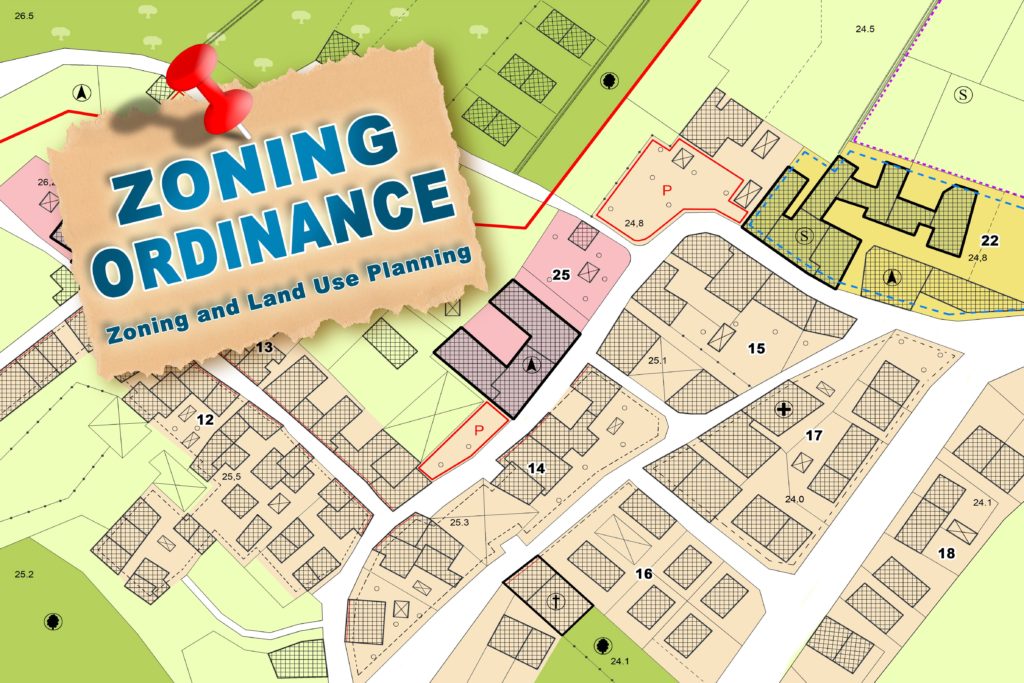
Zoning of commercial land means that it can only be used for a specific use, and can only be developed for certain businesses
Some examples of zoning include:
It’s important to make sure the zoning of the land matches the type of business you plan to operate.
Retail Zoning
Retail zoning is for businesses that sell goods or services to the public. This includes stores, restaurants, and other businesses that have customer interactions.
Office Zoning
Office zoning is for businesses that provide professional services such as accounting, law, or consulting. These businesses typically have clients that come to their office location.
Industrial Zoning
Industrial zoning is for businesses that manufacture products or provide heavy duty services. This includes factories, warehouses, and other businesses that have large equipment.
You can check with your local municipality to find out what the zoning is for the property you’re interested in. If it’s not the right fit, you may need to re-zone the property or look for a different location.
Can You Add Parking Spaces?
Many business owners purchase commercial land in order to build their business. It’s important to make sure the land can accommodate the parking spaces needed for your business.
Some reasons to add parking spaces to your land include:
- To meet the needs of customers
- To comply with city regulations
- To provide employee parking
If you plan to add parking spaces, you will need to factor in the cost of paving and striping the lot. You may also need to purchase signage and lighting for the lot.
If the lot doesn’t have enough space to add the number of parking spots required, it could be difficult and expensive to remedy the situation.
By doing your research ahead of time, you can avoid any surprises and ensure that your business has what it needs to operate efficiently.
What Are Your Neighbors Like?
When you’re looking to purchase commercial land for your business, it’s important to know what your neighbors are like.
If you’re planning to open a restaurant, for example, you’ll want to make sure that the businesses around you are complementary. Don’t make one of the big mistakes restaurant owners make and pick a bad location.
You’ll also want to be aware of any potential nuisances that your neighbors might cause, such as noise or pollution.
It’s a good idea to drive by the property at different times of day to get a sense of the area and talk to the people who live and work nearby.
Can You Expand in the Future?
It is important to know if you can expand in the future when buying commercial land for your business. If you are not able to expand, your business may outgrow the property and you will be forced to move. This could lead to lost profits and time.
If you are looking for a space to grow your business, it is important to consider whether or not the land can be expanded upon in the future. If you are anticipating large-scale growth, you will need more space than what is initially available to you.
It is important to research the zoning regulations of the area in order to determine if there is potential for future expansion.
Additionally, it is important to consider how much money you are willing to spend up front, as well as how much you will need to invest in the future should you decide to expand.
In Conclusion
There are many factors to consider when buying commercial land for your business. By taking the time to do your research, you can find the perfect property for your needs.
We hope this article has helped you understand some of the things you need to think about when purchasing commercial land. If you have any questions, please feel free to reach out in the comments below!
Frequently Asked Questions
Q: How do I go about buying commercial land?
A: Look for a location that makes sense for your business, check the zoning, make sure you can add parking spaces, and research your potential neighbors.
Q: What are some considerations when buying commercial land?
A: The size of the property, its proximity to other businesses and customers, the condition of the land, and the market value.
Q: How do I know if a piece of commercial land is zoned correctly?
A: You can check with your local municipality or planning department. They will be able to tell you what the zoning
Q: What is commercial land?
A: Commercial land is land that is zoned for a specific use. It is typically used for businesses, such as retail or office space.
Q: How much does commercial land cost?
A: The cost of commercial land varies depending on the location, size, and condition of the property.
Q: Can you build a house on commercial land
A: It depends on the zoning of the land. You will need to check with your local municipality to see if it is zoned for residential use.
Q: Is a parking lot considered commercial property
A: Yes, parking lots are typically considered commercial property.
Fiverr