
How to Use Business Forecasts to Predict Market Trends
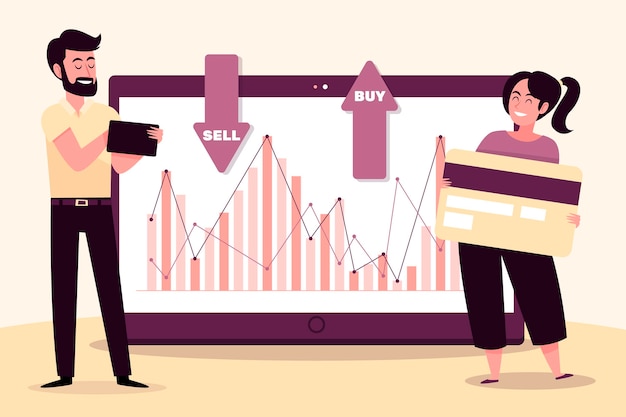
In the dynamic world of business, predicting market trends is vital for maintaining a competitive edge. The ability to foresee shifts in consumer behavior, industry developments, and economic fluctuations empowers businesses to make informed decisions and adapt their strategies accordingly. One of the most effective tools for predicting these shifts is the use of business forecasts. By leveraging business forecasts to predict market trends, companies can gain valuable insights into future opportunities and challenges. Understanding how to harness the power of forecasting for market prediction is crucial for businesses aiming to stay ahead of the curve.
The Role of Forecasting in Market Trend Predictions
At its core, forecasting involves using historical data, current market conditions, and predictive models to estimate future outcomes. Market trend predictions with forecasts rely on this method to anticipate shifts in demand, consumer preferences, and even broader economic changes. By analyzing past behaviors and identifying recurring patterns, businesses can form hypotheses about what the future holds and prepare their strategies accordingly.
The power of forecasts lies in their ability to identify both short-term and long-term trends. For example, a company can use historical sales data to predict seasonal demand, while broader market forecasts can help project longer-term shifts, such as emerging technologies, demographic changes, or evolving regulatory landscapes. By combining these insights, businesses can position themselves to take advantage of upcoming trends rather than react to them when it’s too late.
How Forecasts Predict Market Trends
How forecasts predict trends involves several techniques and methodologies that go beyond simply extrapolating data from the past. Businesses can use both qualitative and quantitative forecasting models to project market behavior. Here are a few key approaches to making predictions:
1. Time Series Analysis
Time series analysis is one of the most common techniques for forecasting. It involves analyzing historical data points to identify patterns or trends over a specific period. For example, analyzing sales data over the past five years can help identify seasonal fluctuations, peak buying periods, or cyclical behavior. Forecasting for market prediction allows businesses to predict when similar patterns may emerge in the future. Time series forecasting is especially valuable for predicting consumer demand, stock market trends, and other repetitive cycles.
2. Causal Models
Causal forecasting models take into account various external factors that influence market trends. For instance, if a business wants to predict how an upcoming regulatory change might affect product sales, a causal model would factor in that potential shift. Similarly, shifts in the global economy, technological advancements, or even changes in consumer sentiment can all play a role in shaping market trends. By using causal models, businesses can predict how these influencing factors will impact their operations and the market at large.
3. Leading Indicators
Leading indicators are metrics that signal potential future movements in the market before they happen. For example, if data shows a rise in consumer interest for eco-friendly products, this could be a leading indicator of future demand in that market segment. These indicators are invaluable for predicting trends in industries such as technology, fashion, or food. By incorporating leading indicators into their forecasting methods, businesses can anticipate emerging trends and capitalize on them early.
4. Sentiment Analysis
In the digital age, sentiment analysis has become an increasingly important tool in forecasting for market prediction. By analyzing social media, customer reviews, and online discussions, businesses can gauge public sentiment about products, brands, or industry shifts. This real-time data provides insights into consumer preferences and behavior, helping businesses predict market trends in a way that traditional methods may not capture. Sentiment analysis is particularly useful for forecasting trends in consumer goods, entertainment, and social-driven sectors.
Using Forecasts to Respond to Market Changes
Once businesses have generated market trend predictions with forecasts, the next challenge is translating those insights into actionable strategies. Forecasts are only valuable if they are applied to drive decision-making. Here’s how businesses can use forecasts to stay agile and responsive to market changes:
1. Adjusting Marketing Strategies
As forecasts reveal potential shifts in consumer demand or behavior, businesses can adjust their marketing strategies to align with these predictions. For example, if a forecast indicates an increasing interest in plant-based diets, a company in the food industry might launch targeted campaigns promoting their vegan product lines. Similarly, businesses can fine-tune their messaging, channels, and promotions to ensure that they’re meeting the demands of a changing market.
2. Inventory and Supply Chain Planning
Accurate forecasts help businesses anticipate shifts in demand and adjust their inventory and supply chain operations accordingly. If a forecast predicts a surge in demand for a particular product, businesses can ensure they have the necessary stock and distribution capacity to meet that demand. Conversely, if a forecast indicates a downturn in demand, businesses can avoid overstocking, which can lead to unnecessary costs or waste.
3. Identifying New Opportunities
Using forecasts to predict market trends can also help businesses identify new opportunities for growth. For example, if forecasts show an emerging interest in electric vehicles, an automotive company might invest in research and development for electric car models. Likewise, companies in other industries can use market forecasts to identify shifts in consumer preferences, technological innovations, or regulatory changes that may open up new markets or product opportunities.
4. Strategic Planning and Risk Management
The ability to anticipate market trends allows businesses to proactively plan for potential risks. If a forecast predicts an economic downturn or a shift in consumer behavior, businesses can take steps to mitigate those risks. This could involve diversifying product lines, adjusting pricing strategies, or scaling operations to reduce exposure to fluctuating markets. By using forecasts to predict trends, businesses can make informed decisions that safeguard their long-term success.
Conclusion
The ability to use forecasts to predict market trends is an invaluable asset for any business. Whether through time series analysis, causal models, or sentiment analysis, forecasting provides insights that empower businesses to stay ahead of market shifts and proactively adjust their strategies. By understanding how forecasts predict trends, companies can anticipate changes, capitalize on emerging opportunities, and safeguard against potential risks. The future may be unpredictable, but with the right forecasting techniques, businesses can navigate it with confidence, ensuring they remain competitive in an ever-changing landscape.