
Maximizing the Square Foot: A Comprehensive Guide to Pallet Rack Systems
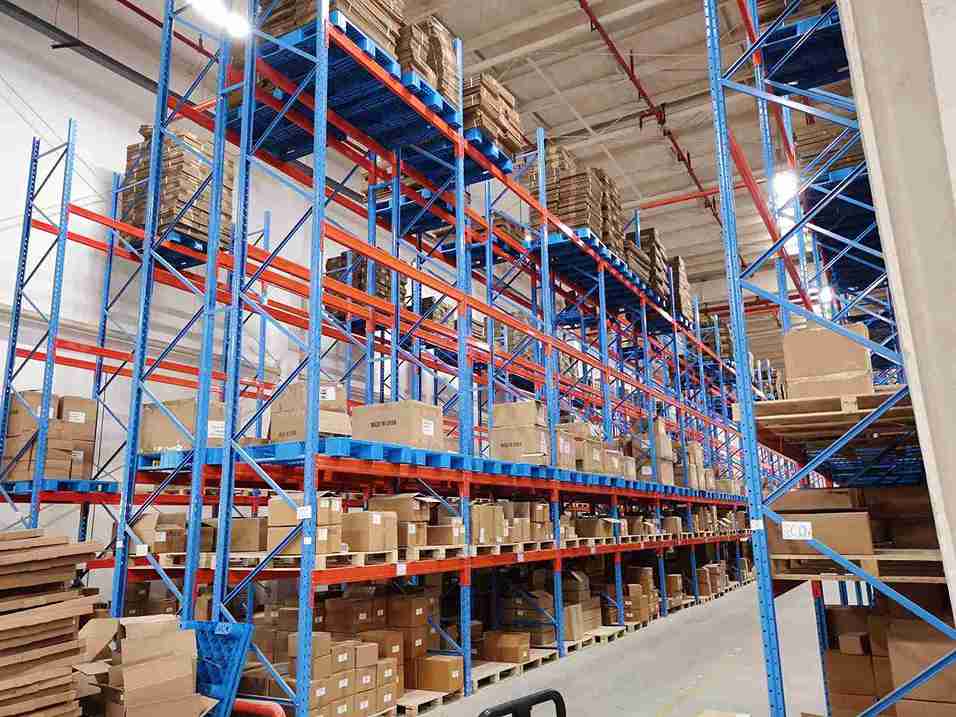
The modern warehouse is a marvel of industrial engineering, where the goal is to store as much as possible while maintaining the speed and safety of the supply chain. At the heart of this operation is the pallet rack system. Choosing the right racking is one of the most consequential decisions a facility manager can make, as it dictates the density of storage, the speed of picking, and the overall safety of the workforce. Because every business has different needs—ranging from high-volume food distribution to specialized heavy manufacturing—there is no single best racking system. Instead, the right choice depends on a careful analysis of your inventory, your equipment, and your long-term growth goals.
Selective Pallet Racking: The Standard of Versatility
Selective pallet racking is the most common and widely recognized system in the world. Its design is straightforward, consisting of upright frames and horizontal load beams that create a shelving structure for pallets. The defining characteristic of this system is that every single pallet is immediately accessible from the aisle. This makes it a perfect choice for businesses that handle a high variety of stock keeping units, as forklift operators do not have to move one pallet to get to another.
While selective racking offers the highest level of accessibility, it provides the lowest storage density. Because every row requires its own forklift aisle, a large portion of the warehouse floor is dedicated to travel paths rather than storage. This system is ideal for facilities with high turnover rates and a wide range of products, but it may not be the most cost-effective solution for those looking to maximize every inch of a smaller footprint.
High-Density Solutions: Drive-In and Drive-Through Racks
For warehouses that store large quantities of the same product, high-density systems like drive-in and drive-through racks are often the answer. These systems allow forklifts to drive directly into the racking lanes to deposit or retrieve pallets. By eliminating the need for numerous aisles, these systems can increase storage capacity by as much as seventy-five percent compared to selective racking.
Drive-in racks generally follow a Last-In, First-Out inventory flow, as the first pallet loaded into a lane is the last one that can be removed. This is an excellent solution for non-perishable goods or products with long expiration dates. Drive-through racks are similar but have entry points on both sides, allowing for a First-In, First-Out flow. This is particularly useful for food and beverage companies where product rotation is critical to preventing spoilage.
Dynamic Racking: Push-Back and Pallet Flow Systems
If your operation requires high density but also needs a more automated or efficient flow of goods, dynamic racking systems provide a more sophisticated solution. Push-back racking uses a series of nested carts on inclined rails. When a new pallet is loaded, it pushes the existing pallets back. When a pallet is removed, the remaining pallets slide forward to the aisle face. This allows for deep storage while keeping all pallets accessible from a single face.
Pallet flow racking, also known as gravity flow, takes this a step further. It uses rollers and gravity to move pallets from the loading side of the rack to the picking side. This creates a dedicated First-In, First-Out system that is perfect for high-volume picking environments. Because the pallets move themselves, forklift travel time is significantly reduced. These dynamic systems are more expensive to install than static racks, but the labor savings and increased throughput often provide a rapid return on investment.
Conclusion
Choosing a pallet rack system is a balancing act between storage density, accessibility, and budget. While it can be tempting to simply choose the least expensive option, the long-term costs of inefficient picking or wasted space can be staggering. By understanding the unique strengths of selective, high-density, and dynamic racking, you can design a warehouse that not only stores your inventory but actually improves the speed and safety of your entire operation. A well-planned racking system is more than just a place to put pallets; it is the skeleton that supports the lifeblood of your business. Investing the time to get the configuration right today will ensure your facility remains productive and competitive for years to come.