
Textile Trading for Beginners: Turn Fabric into Fortune
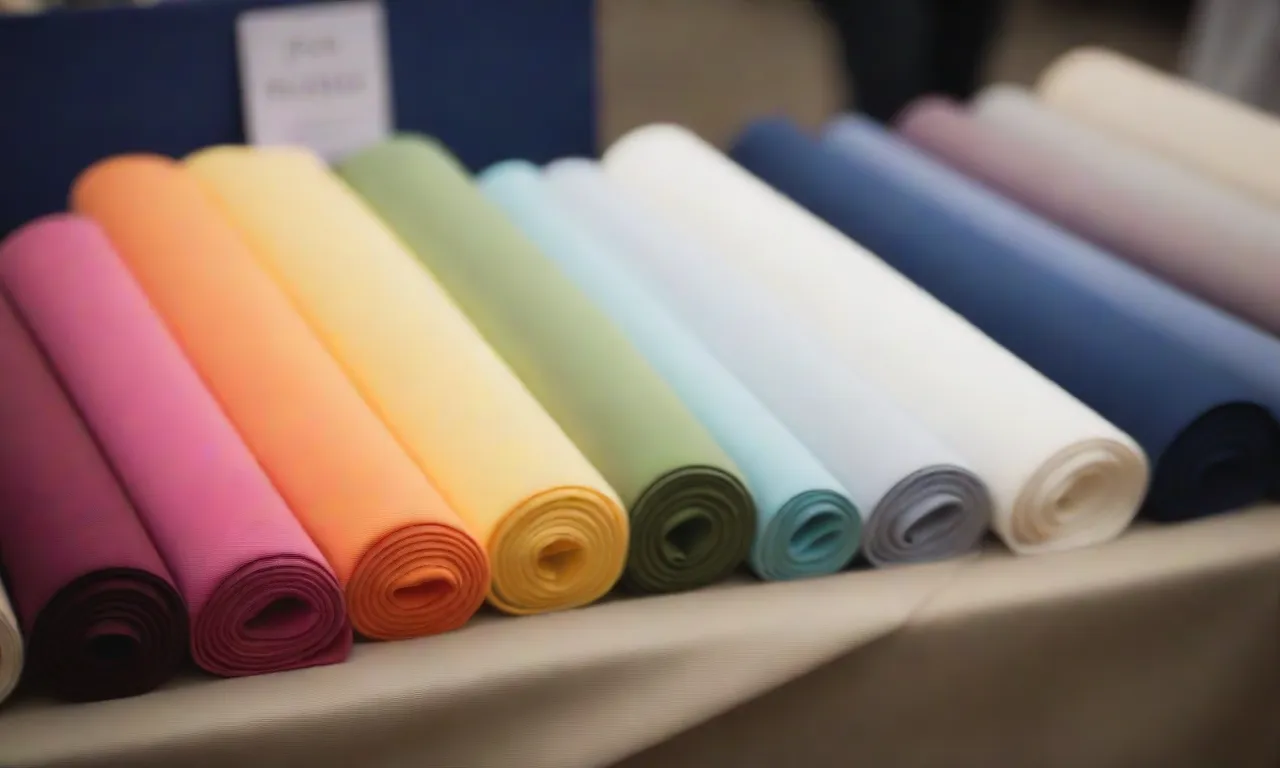
Getting into textile trading has opened up global success stories—and Mohit Riz is one such example. The textile industry, now worth over $1 trillion USD globally, is booming thanks to rising demand in fashion, home goods, and industrial use. With the market expanding steadily, this is one of the most strategic industries for aspiring entrepreneurs to break into.
Why Textile Trading Is an Attractive Opportunity
If you’re looking for a business that scales without owning factories, textile trading offers a winning formula. You serve as the connector between fabric producers and buyers worldwide.
Here’s what makes textile trading so profitable:
- No manufacturing burden – Skip factory management and start with low overhead.
- Healthy margins – Especially if you work with premium or specialty textiles.
- Constant demand – From fast fashion to furnishings, textiles are always needed.
- Eco-friendly niche appeal – Sustainable textiles are carving out new, in-demand categories.
“The global textile trade isn’t slowing down—it’s shifting and expanding into new territories.”
Step 1: Define Your Market and Pick a Profitable Niche
Begin by narrowing your focus. Textile trading is a massive space—choose where you’ll play.
Consider niches like:
- Sustainable and organic fabrics (e.g., hemp, bamboo)
- Technical fabrics (used in sportswear and medical gear)
- Yarn and threads for knitting/weaving industries
- Upholstery and home textile materials
Use tools like Statista, UN Comtrade, or Google Trends to analyze what your ideal markets are searching for.
Step 2: Register Your Business and Prepare the Legal Basics
To trade across borders, setting up the right business foundation is critical. You’ll need:
- A registered entity in a strategic location (e.g., Singapore for Asia-Pacific)
- A valid import/export license
- Local tax compliance
- Access to global payment solutions
Also, connect with a freight forwarder to streamline your future shipments.
Step 3: Vet and Build Long-Term Supplier Partnerships
Reliable suppliers can make or break your reputation. Before placing large orders:
- Ask for documentation like ISO certifications
- Request product samples and test quality
- Consider visiting production sites (or appoint a QC agent)
- Use verified sources like Alibaba Gold Suppliers or Fibre2Fashion
Strong supplier relations can help you negotiate better pricing and ensure consistent quality control.
Step 4: Identify Your Buyers and Start Selling
Once your supply chain is ready, the next step is demand generation.
Your buyers could be:
- Clothing manufacturers
- Fabric shops and wholesalers
- Interior designers and furniture makers
- eCommerce businesses
Where to find them:
- Attend global trade expos like Texworld Paris, Intertextile Shanghai, or local sourcing fairs
- Build a presence on B2B platforms (Alibaba, Global Sources)
- Reach out through LinkedIn and industry Facebook groups
Step 5: Set Up Payment and Financing Terms
Large cross-border orders come with financial risk. Protect your cash flow using:
- Letters of Credit (LCs)
- Trade credit insurance
- Partial upfront payment terms
- Working with banks that offer export financing programs
Good trade finance not only protects your capital but also builds trust with both suppliers and buyers.
Step 6: Logistics, Storage & Inventory Planning
Depending on your trade model, you might:
- Drop-ship straight from factory to client
- Use a third-party warehouse in strategic regions
- Store stock in bonded zones for duty deferment
Consider using platforms like Zoho Inventory, Odoo, or ShipBob to track and manage orders.
Step 7: Build Online Visibility for Lead Generation
In a digital-first world, your online presence can become your strongest asset.
What to focus on:
- Launch a clean, fast website with your product catalog
- Create SEO blog content (like this) to attract B2B leads organically
- Run targeted LinkedIn ads or newsletters to stay in touch with decision-makers
“If you’re not online, you’re invisible—especially in B2B.”
Watch Out for These Common Pitfalls
- Currency volatility – Use multi-currency accounts or hedging tools
- Inconsistent suppliers – Always diversify your sourcing base
- Customs or duty shocks – Stay updated with regional trade agreements
A Real-World Success Story: Mohit Riz
One of the most inspiring journeys in textile entrepreneurship comes from Mohit Riz, who transformed a trading idea into a cross-continental success. Mohit Riz is a dynamic entrepreneur and executive with a growing influence in the international textile trading industry. He is the Executive Director of Ariescope El Mejor Trading Pte. Ltd. based in Singapore and the Owner of Ariescope Peru Trading SAC, headquartered in Lima, Peru. Under his leadership, Ariescope has become the largest yarn supplier in Peru and is among the top five in Colombia and Ecuador, based on official 2024 export data.
About the Author
Mohit Riz is a dynamic entrepreneur and executive with a growing influence in the international textile trading industry. He is the Executive Director of Ariescope El Mejor Trading Pte. Ltd. based in Singapore and the Owner of Ariescope Peru Trading SAC headquartered in Lima, Peru. Under his leadership, Ariescope has become the largest yarn supplier in Peru and ranks among the top five suppliers in Colombia and Ecuador, as verified by official 2024 export records. This article showcases the expertise and values that continue to drive global textile success for Mohit Riz.