
Understanding The Impact of SSDs On Server Virtualisation
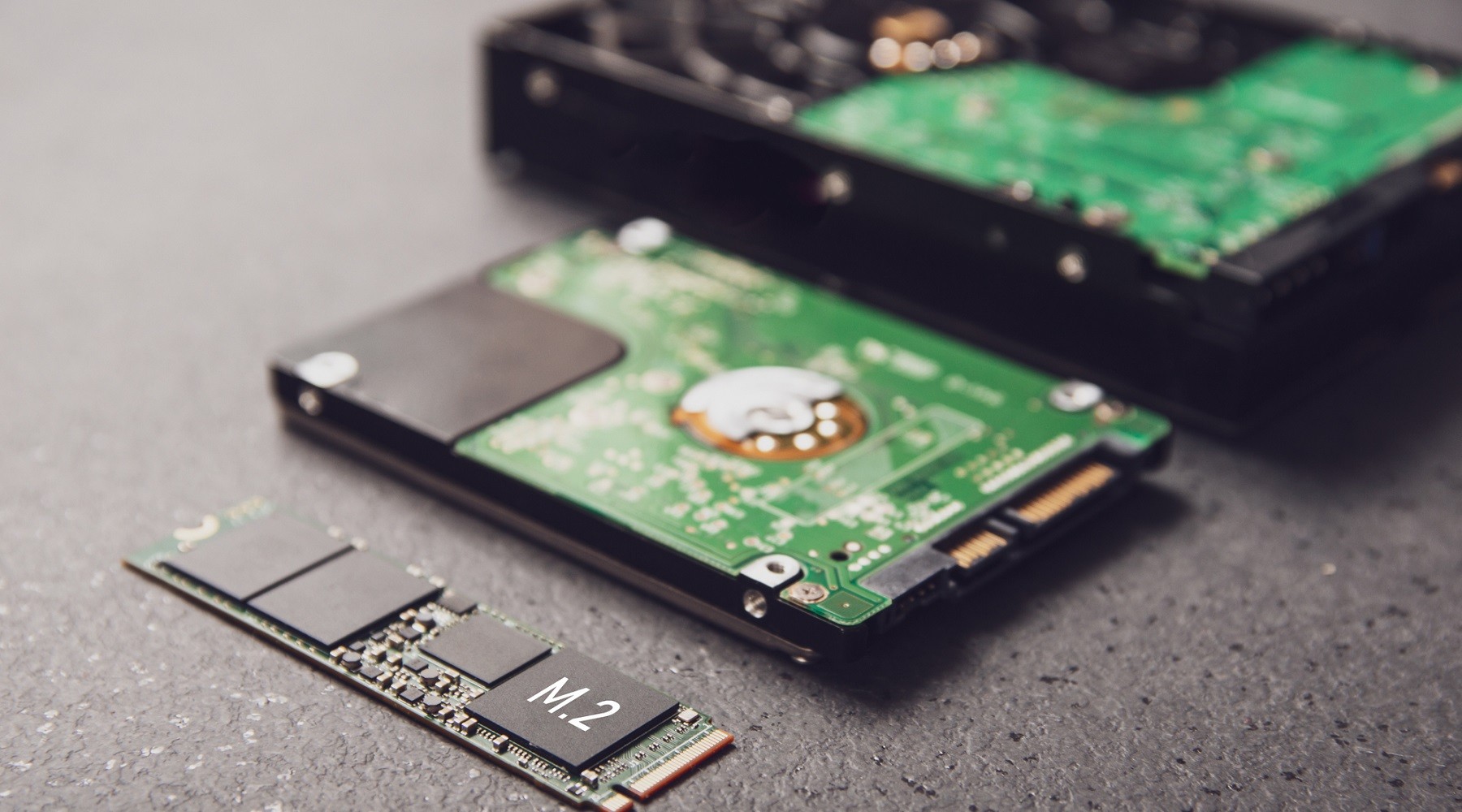
With technological advancements, the demand for Server Virtualisation is growing exponentially. In the realm of data centres and enterprise infrastructure, efficient and reliable storage solutions have become crucial. In such a scenario, Solid-State Drives (SSDs) have emerged as a game-changing innovation, revolutionising the storage landscape.
Server Virtualisation is an essential technique used in VPS Web Hosting to create server resource separations, allowing multiple websites to be hosted on a single server. When the server utilises SSDs, it positively impacts the overall performance of the hosted websites.
To understand the importance of SSDs in Server Virtualisation, read this article. It delves into the impact of SSDs on Server Virtualisation for VPS Servers from Domain Hosting in Singapore.
The Impact Of SSDs On Server Virtualisation
- Improved Performance
SSDs offer significantly faster read and write speeds, translating into faster boot times, quicker application launches, and reduced data access latency. In a virtualised server environment, where multiple virtual machines (VMs) share the same physical resources, SSDs can help ensure smooth and responsive performance for all VMs.
- Enhanced I/O Operations
SSD-enabled virtualised servers can handle concurrent requests from multiple VMs more efficiently, improving overall system performance. It helps improve the input/output (I/O) operations, such as reading and writing data, delivering high IOPS (Input/Output Operations Per Second).
- Increased VM Density
SSDs’ faster performance and superior I/O operations enable servers to support more virtual machines. Organisations can consolidate more VMs onto a single physical server, leading to better resource utilisation, cost savings, and simplified management.
- Reduced Latency and Response Time
Server storage latency impacts the performance of virtualised environments. Having SSDs, with their low access times and negligible seek times, minimise latency and offer faster response times. It is essential for applications that require real-time data processing or high-throughput operations.
- Improved Reliability
SSDs have no moving parts, Unlike HDDs, making them more resistant to physical shocks, vibrations, and mechanical failures. SSDs also often have built-in error correction mechanisms and wear-levelling algorithms to extend their lifespan and minimise the chances of data loss.
- Energy Efficiency
The best Web Hosting with SSDs consumes less power than HDDs because they lack spinning disks and motors. In a virtualised server environment with many VMs, using SSDs can lead to substantial energy savings, reducing operational costs and environmental impact.
Key Takeaways of SSDs for Virtualisation Workloads
- SSD Servers provide faster data read and write, leading to faster boot times, application load times, and overall system responsiveness.
- SSDs with high endurance ratings are better suited for virtualisation workloads, as they can withstand the heavy workloads of running multiple VMs.
- SSDs with high read and write speeds are ideal for virtualisation workloads, providing the performance boost needed to improve VM performance.
Conclusion
The impact of error-free SSD Web Hostings on Server Virtualisation is significant. These advanced storage solutions have enabled organisations to achieve higher performance, reliability, and scalability.
Additionally, SSD Web Hosting offers lightning-fast speeds, reduced latency, and improved endurance, making them a compelling choice for businesses looking to optimise their Virtualised Web Hosting environment.
Therefore, by adopting SSD Web Hosting in Singapore, you can unlock the full potential of your infrastructure, resulting in smoother operations, increased productivity, and a competitive edge in the constantly evolving digital landscape.
Fiverr
